How to Find a Buildable Lot in Dacula or Hoschton: What to Check Before You Make an Offer
Quick answer: Before offering on a lot in Dacula or Hoschton, confirm the county and city, sewer or septic, water, the FEMA flood map, slope and drainage, driveway access, easements, covenants and schools, and write in a due-diligence period.
Dacula is in Gwinnett County and Hoschton is in Jackson County, so lots a few miles apart answer to different rules. A lot that looks perfect online can still need septic the soil will not support. Here are the ten checks we would run before an offer goes in.
1. Which county and city actually control the lot?
Mailing addresses do not follow county lines. ZIP 30548 (Hoschton) reaches into Jackson, Barrow, Gwinnett and Hall counties, and ZIP 30019 (Dacula) also crosses into Walton County, according to ZIP-to-county data. Land east of Dacula toward Auburn may sit in Barrow County.
Look the parcel up on the county tax map and note whether it is inside city limits. The City of Hoschton handles its own planning, zoning and permits, Jackson County Building Inspections handles Jackson County building permits and inspections, and Gwinnett's Planning and Development covers unincorporated Gwinnett. Inside Dacula city limits, start with the City of Dacula.
2. Is sewer available, or will the lot need septic?
Septic decides where the house can go and whether the lot works at all. In Gwinnett, a septic lot needs a septic permit from Environmental Health before a building permit, and a sewer lot needs a sewer connection permit (a separate permit from the Department of Water Resources for a lot in an exemption plat, issued with the building permit for a lot in a final plat), as Gwinnett's new home permit requirements spell out.
Both counties want a Level 3 soil report from a state-certified soil classifier. Gwinnett Environmental Health also asks for a scaled lot sketch and floor plan. Jackson County Environmental Health wants the stamped report, a recorded plat for lots outside a recorded subdivision, and the house corners staked.
3. Where will the water come from?
Confirm a public water line runs along the frontage, and ask the provider about the tap and meter. Hoschton runs its own water service; Gwinnett lots are served by the county. If no line reaches the lot, plan on a well, kept the required distance from the septic field.
4. What does the FEMA flood map show?
Look the address up on the free FEMA Flood Map Service Center. FEMA treats a 1% or greater yearly flood chance as high risk, at least one-in-four over a 30-year mortgage (FEMA). Inside a Special Flood Hazard Area, floodplain building rules and mandatory flood insurance apply (FEMA glossary).
5. How does the land slope and drain?
Slope changes the foundation, grading and plan. In Gwinnett, some lots need a Residential Drainage Plan drawn on a certified survey by a registered professional before a building permit is issued. After heavy rain, look for standing water, gullies and runoff from neighbors or the road.
6. Can a driveway reach the road safely?
Check sight lines both ways and how steep the first stretch of driveway will be. If the lot fronts a state route, such as parts of Highway 124, 324 or 53, the driveway needs a permit from the Georgia DOT Area Office. GDOT will not approve individual driveways for newly subdivided lots under five acres on state routes; those need a shared drive or subdivision street.
7. What easements cross the lot?
Easements are rights others hold over your land, and you usually cannot build on them. Get a boundary survey and the recorded plat, and look for power line rights of way, drainage easements, shared driveways and stream buffers. In Gwinnett, also check the plat for permit "holds."
8. Are there covenants, HOA rules or zoning conditions?
Recorded covenants can set minimum house size, exterior materials, roof pitch, garage placement and an architectural review. Zoning conditions can add more.
9. Which schools serve the lot, and are the lines changing?
The town name does not tell you the school district. Lines are moving, too: the Jackson County School System has approved new attendance zones for 2027-28, when Hoschton High School opens. Check the zone map for the exact address.
10. Is there a due-diligence period in your offer?
This protects all the others. In Georgia, purchase contracts commonly include a due-diligence period during which the buyer can inspect the property and terminate for any reason with earnest money refunded, but once the deadline passes that right largely ends (Georgia Title & Escrow). Raw land takes longer to check than a house, so ask for enough days.
Where to check each item
| Check | Where to check it | What to ask for |
|---|---|---|
| County and city | County tax assessor map; city hall | Parcel number, jurisdiction, zoning |
| Sewer or septic | Gwinnett DWR or Hoschton utilities; county Environmental Health | Sewer availability, or a Level 3 soil report |
| Water | Water provider, or a licensed well driller | Tap and meter availability, or a well plan |
| Flood risk | FEMA Flood Map Service Center | Flood zone for the exact address |
| Slope and drainage | Your builder; a surveyor or engineer | Contours and a foundation recommendation |
| Driveway access | GDOT Area Office for state routes; county roads department | Driveway permit and culvert requirements |
| Easements | Licensed surveyor; recorded plat | Boundary survey showing all easements |
| Covenants | Seller, HOA or closing attorney | Recorded covenants and design rules |
| Schools | Gwinnett County Public Schools or Jackson County School System | Attendance zone for the address |
| Due diligence | Your agent or real estate attorney | Enough days to complete every check |
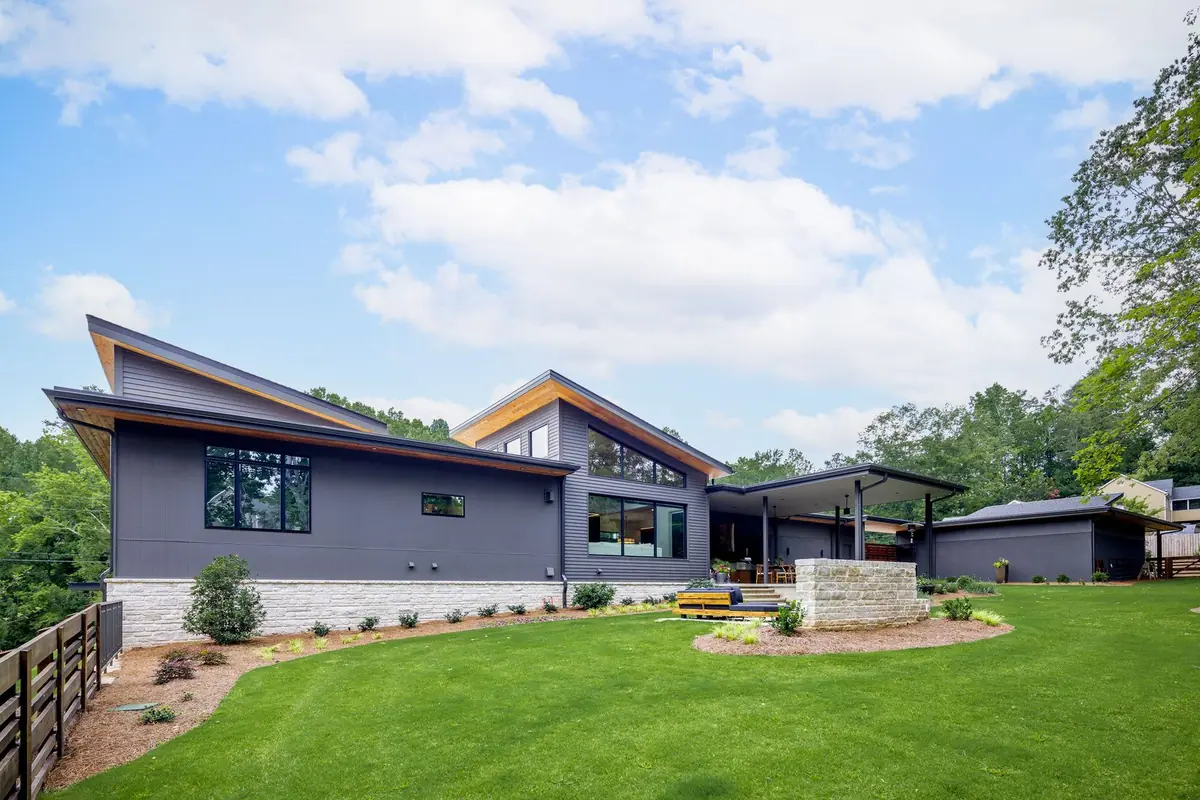
The wrong way vs. the right way to choose a lot
Most lot regrets come from checking after the offer, not before.
| The wrong way | The right way |
|---|---|
| Trusting the mailing address for the county and schools | Looking up the parcel record and the attendance zone for the exact address |
| Assuming septic will work anywhere on the lot | Getting a Level 3 soil report before the deadline |
| Skipping the flood map because the lot looks high and dry | Checking the exact address on FEMA's map |
| Picturing a driveway wherever it looks easy | Checking sight lines, slope and whether a state route permit is possible |
| Reading covenants and HOA rules after closing | Reading covenants, design rules and zoning before you offer |
| Letting the due-diligence period run out | Asking for enough days and extending in writing before the deadline |
Advantages of a sewer lot vs. a septic lot
Advantages of a lot on public sewer
- No soil report or drain field to plan the house around.
- More of the lot is free for the house, a pool or a future addition.
- No tank to pump or drain field to protect.
Advantages of a lot on septic
- Opens up larger, more rural lots outside sewer areas.
- Often more trees, privacy and space between neighbors.
- In a recorded subdivision, the county may already have a soil report on file.
- A well-sited system on suitable soil serves the home on your own land.
When to do what
- Before you make an offer: confirm county, zoning and schools from the parcel record, check the flood map and read the covenants.
- When you write the offer: ask for a due-diligence period long enough for a soil report, survey and utility answers.
- In the first days of due diligence: order the soil report and boundary survey, and call the water and sewer providers.
- Before the deadline: walk the lot with your builder, confirm driveway access, and extend in writing if answers are still coming.
Bring your builder before the deadline
A builder can read a lot's slope, drainage, access and likely foundation in one visit.
Ironwood Construction Group is a father-and-son builder, Clay and Levi Ortiz, building in north Gwinnett and Hall County since 2008. We build custom homes in Dacula and Hoschton under Georgia license RLCO003511. Browse our free floor plans for ideas, see our Dacula page, and talk to the builder before your due-diligence period ends.
Frequently asked questions about buildable lots in Dacula and Hoschton
Is Dacula in Gwinnett County?
Yes. A Dacula mailing address does not guarantee a Gwinnett lot, so confirm the county from the parcel record.
Is Hoschton in Jackson County?
Yes. Its ZIP code also reaches into Barrow, Gwinnett and Hall counties, so check the parcel.
Do I need a soil test before buying a lot that will use septic?
In practice, yes. Both counties' Environmental Health offices require a Level 3 soil report from a state-certified soil classifier with a septic application.
How do I check if a lot is in a flood zone?
Enter the address on FEMA's Flood Map Service Center at msc.fema.gov. In a Special Flood Hazard Area, mandatory flood insurance applies.
How long should a due-diligence period be for land?
It is negotiated in the contract. Land usually needs more time than a house.
Sources
- Gwinnett County Planning and Development, "New Home - Building Permit Requirements," revised May 2021
- Gwinnett County Unified Development Ordinance, Title 3, Section 330-140 (Structure Location Plans; 330-140.2 Residential Drainage Plan), amended October 2025
- Gwinnett Environmental Health, "Residential Septic System New Construction Permit Application and Requirements," revised May 3, 2024
- Jackson County Environmental Health, "Application Requirements for Residential Septic System Permits," revised February 13, 2020
- City of Hoschton, Planning and Zoning; Jackson County, "Permit Process," jacksoncountygov.com
- FEMA, "Flood Maps"; FEMA, "Special Flood Hazard Area (SFHA)" glossary, July 7, 2020; FEMA Flood Map Service Center
- Georgia Department of Transportation, Regulations for Driveway and Encroachment Control, Chapter 8, Residential Driveways
- Jackson County School System, "Redistrict Information," 2026
- Georgia Title & Escrow Company, "Georgia Due Diligence Period & Purchase Contract Guide," November 25, 2025
- ZIP-Codes.com, ZIP code 30548 and 30019 county data, updated November 1, 2026