How a Construction-to-Permanent Loan Works When You Build on Your Own Land in Hall County
Quick answer: A construction-to-permanent loan pays for the build in stages, called draws, while the house goes up, then becomes your regular mortgage when it is finished. You can close once or twice. If you already own your land, lenders will typically count it toward your loan, so your lot can do much of the work a down payment would.
Owning land in Hall County or north Gwinnett is a great start on a custom home, but how do you borrow for a house that does not exist yet? This guide explains construction loans step by step.
This article is general education, not financial advice. Programs and terms change, and every lender has its own rules, so talk to a lender before deciding.
What is a construction-to-permanent loan?
It is a loan that covers construction first and then turns into a long-term mortgage. The National Association of Realtors describes construction loans as short-term loans, often around one year, paid out in installments as construction progresses, with interest-only payments common during the build. When the house is complete, you either pay off the construction loan or convert it to a permanent mortgage.
A construction-to-permanent loan builds that conversion in from the start.
One-time close vs. two-time close: what is the difference?
With a one-time close, also called single-close, the construction loan and permanent mortgage are one transaction. With a two-time close, you take out a construction loan first, then close a separate permanent mortgage when the house is done.
| Feature | One-time close | Two-time close |
|---|---|---|
| Closings | One, before construction starts | Two: one for construction, one when the home is finished |
| Permanent loan | Set up from the start; converts when the build is complete | Applied for again at the end, possibly with a different lender |
| Qualifying | Once, up front | Twice; your income and credit are checked again at the end |
| Changing terms later | Limited to what the program allows | More room to shop the permanent loan |
Under Fannie Mae's rules for single-closing loans, the construction loan converts automatically to permanent financing when construction is complete, and only a few terms, such as the interest rate, loan amount, term and a change from adjustable to fixed rate, may be adjusted at conversion (Fannie Mae Selling Guide B5-3.1-02). Fannie Mae also caps the single-close construction period at no more than 12 months in any one period and 18 months in total.
In a two-closing transaction, Fannie Mae buys only the permanent loan, which can come from a different lender that must underwrite you again (Fannie Mae Selling Guide B5-3.1-03).
How does the loan work, step by step?
Most follow the same six steps, whichever program you use.
Step 1: Talk to a construction lender early
Not every mortgage lender makes construction loans. NAR notes that lenders may require detailed plans, budgets and timelines, so talk to one before you finalize a plan.
Step 2: Settle the plan, budget and builder contract
The lender is lending against a house on paper. Expect to provide a signed builder contract, a set of plans and specifications, a detailed budget and the builder's license and insurance information. Some programs go further: USDA's single-close program requires a fixed-price builder contract.
Step 3: The appraisal is based on the finished home
An appraiser values the home "as completed," meaning the land plus the house in the plans. When you already own the lot, Fannie Mae uses that as-completed value to set the loan-to-value ratio for single-close loans (Fannie Mae product matrix, November 2025).
Step 4: Close the loan
On a one-time close, you sign once for both phases. On a two-time close, this first closing covers construction only, and can include buying the lot.
Step 5: Draws and inspections during the build
The money is released in stages as work is completed, usually after the lender or its inspector confirms the stage is done. Under USDA's single-close program, for example, the lender manages and records the draws and must keep documentation that the work was completed before paying it out (USDA Rural Development, January 2024). Each lender sets its own draw schedule.
Separately, county or city building inspectors check the work for code. You will see both kinds of inspection.
Step 6: Conversion to your permanent mortgage
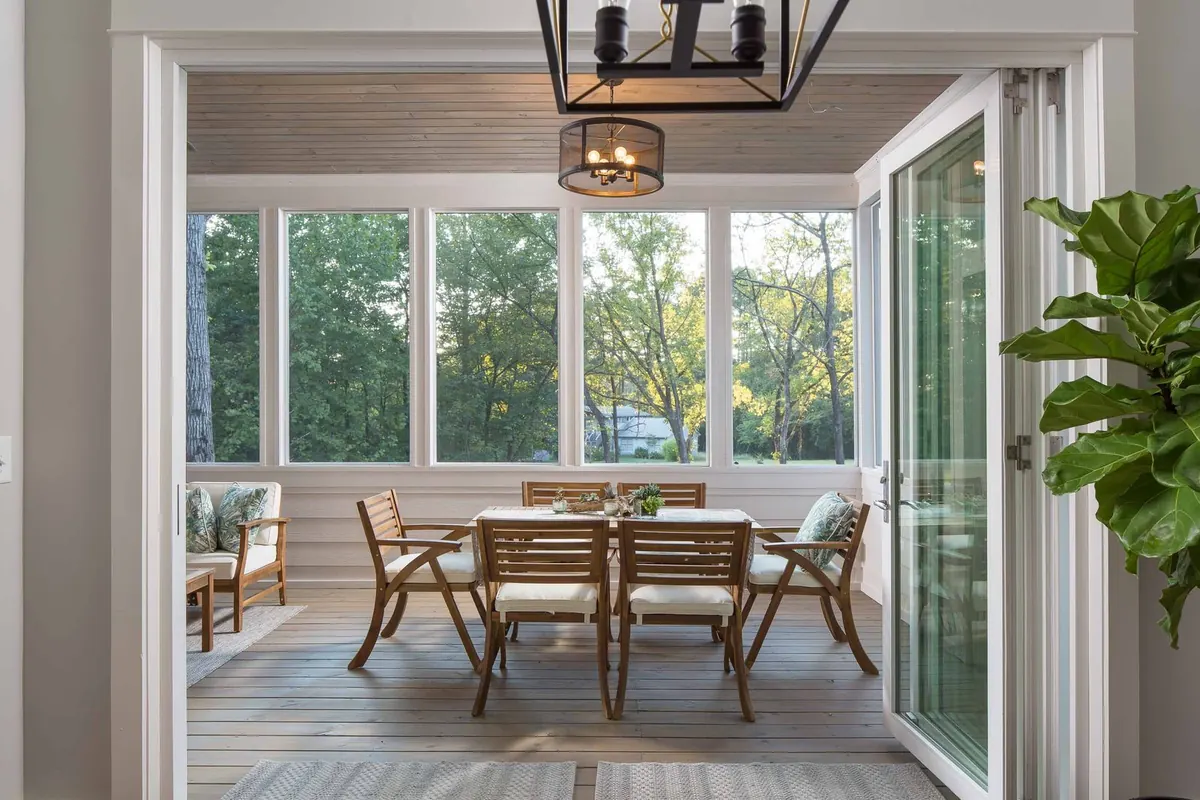
When the house is finished, the building department issues a certificate of occupancy and the lender does a final inspection. On a one-time close, the loan then converts to your permanent mortgage. On a two-time close, you close the permanent loan, which pays off the construction loan.
Do you pay interest-only during construction?
Usually. NAR notes that interest-only payments are common during the build. Because the balance grows with each draw, they typically rise as the house goes up. Some programs work differently: USDA's standard single-close option uses interest-only payments during construction, which can be paid from a reserve built into the loan, while its securitized option uses full payments from the start (USDA fact sheet). Ask your lender when full payments begin.
How does the land you already own count?
Your lot's value generally counts toward your side of the deal, measured differently by each program.
- Fannie Mae (conventional, single-close). If you already hold title to the lot before the first construction advance, the loan is treated as a limited cash-out refinance, and the loan-to-value is based on the as-completed appraised value. Any existing lien on the lot can be paid off with the loan (Fannie Mae Selling Guide B5-3.1-02).
- FHA. HUD counts land owned six months or less at the lower of its cost or appraised value, and land owned longer, or received as an acceptable gift, at its appraised value. Your land equity can be used toward FHA's minimum required investment (HUD Mortgagee Letter 2019-08, May 2019).
- USDA. Paying off an existing balance on the land is an eligible loan cost, and the appraiser includes land value in the final market value (USDA Rural Development).
If there is still a land loan on your lot, tell your lender at the first meeting.
Which loan programs offer construction-to-permanent financing?
Conventional, FHA, VA and USDA financing can all be used to build, though not every lender offers each.
| Program | One-time close available? | Points to know |
|---|---|---|
| Conventional (Fannie Mae) | Yes, single-closing | Construction period up to 12 months per period, 18 months total; automatic conversion |
| FHA | Yes, "construction to permanent" | HUD calls the two-step version "building on own land"; the builder must be a licensed general contractor |
| VA | Lender-dependent | VA-backed loans can be used to buy, build or improve a home; ask lenders for VA construction options |
| USDA (guaranteed) | Yes, single-close | Eligible rural areas only; builder must meet USDA experience, license and insurance requirements |
- FHA. HUD's "construction to permanent" loan is a one-time close before construction; "building on own land" is permanent financing for a newly built home on land you own, which can pay off a construction loan. Either way, you need a licensed general contractor (HUD Mortgagee Letter 2019-08).
- VA. The VA says its direct and VA-backed loans can help veterans, service members and survivors "buy, build, improve, or refinance a home" (VA Home Loans). Fewer lenders offer VA construction loans, so ask.
- USDA. The builder needs at least two years of single-family construction experience, a license where required and liability insurance, and contractors building their own home are not eligible (USDA Rural Development). Check whether your address qualifies.
The wrong way vs. the right way to finance a build
Most construction-loan headaches come from doing things out of order.
| The wrong way | The right way |
|---|---|
| Finishing a plan, then looking for a lender | Talking to a construction lender before you finalize the plan |
| Assuming any mortgage lender makes construction loans | Asking lenders directly which construction programs they offer |
| Keeping quiet about an existing land loan | Telling the lender about it at the first meeting |
| Guessing how draws and payments will work | Getting the draw schedule and payment terms in writing before you close |
| Choosing a builder after you apply | Choosing a licensed builder first, since lenders need the contract, plans and budget |
Advantages of each closing type
Advantages of a one-time close
- One set of closing papers before construction starts.
- You qualify once, up front.
- The permanent loan is set from the start and converts when the build is complete.
Advantages of a two-time close
- You can shop the permanent loan when the house is done, possibly with a different lender.
- More room to change terms later.
- The first closing can include buying the lot if you do not own it yet.
When to do what
- Before you finalize a plan: talk to a construction lender about programs, requirements and any loan on your land.
- Before you apply: settle the builder contract, plans, specifications and budget.
- Before you close: choose one-time or two-time close and get the draw schedule and payment terms in writing.
- During the build: expect lender draw inspections and code inspections at each stage.
- When the house is finished: after the certificate of occupancy and final inspection, convert or close the permanent mortgage.
Bring your lender's questions to your builder
Ironwood Construction Group is a family-owned builder in Sugar Hill, founded in 2008 by Clay Ortiz, who builds with his son Levi. We build custom homes on homeowners' own lots across north Gwinnett and Hall County, including Flowery Branch, Oakwood and the rest of Hall County. Lenders ask for the builder's license, and we hold Georgia residential-light commercial license RLCO003511, active through June 30, 2028. If you own land and are wondering where financing fits, talk to the builder and bring your lender's questions with you.
Frequently asked questions about construction-to-permanent loans
Can I use my land as a down payment on a construction loan?
Often its value counts toward your side of the deal. Fannie Mae treats a single-close loan on a lot you own as a limited cash-out refinance based on the as-completed value, and FHA lets land equity count toward its minimum investment.
Is a one-time close better than a two-time close?
It depends. One-time close means one set of closing papers and less uncertainty at the end; two-time close lets you shop the permanent mortgage later but means qualifying twice.
Who inspects the work before each draw?
The lender, or an inspector it hires, confirms each stage is complete before releasing funds. Building inspectors check code separately.
Can I get an FHA, VA or USDA construction loan in Hall County?
Possibly. All three allow construction financing, but not every lender offers them, and USDA requires an eligible rural area. Ask lenders directly.
Do I need a builder before I apply for a construction loan?
Yes, in practice. Lenders want a signed contract, plans, a budget and the builder's license and insurance before approval, and FHA requires a licensed general contractor.
Sources
- National Association of Realtors, "Consumer Guide: Buying Land and Building a New Home," April 2025
- Fannie Mae Selling Guide, B5-3.1-02, "Conversion of Construction-to-Permanent Financing: Single-Closing Transactions"
- Fannie Mae Selling Guide, B5-3.1-03, "Conversion of Construction-to-Permanent Financing: Two-Closing Transactions"
- Fannie Mae, "Construction-to-Permanent Product Matrix," November 2025
- U.S. Department of Housing and Urban Development, Mortgagee Letter 2019-08, "Construction to Permanent and Building on Own Land Programs," May 16, 2019
- U.S. Department of Veterans Affairs, VA Home Loans, va.gov
- USDA Rural Development, "Combination Construction to Permanent Loans" lender training, January 19, 2024
- USDA Rural Development, Single Family Housing Guaranteed Construction-to-Permanent Loan fact sheet